Best Patio Cleaning Methods for Lasting Results
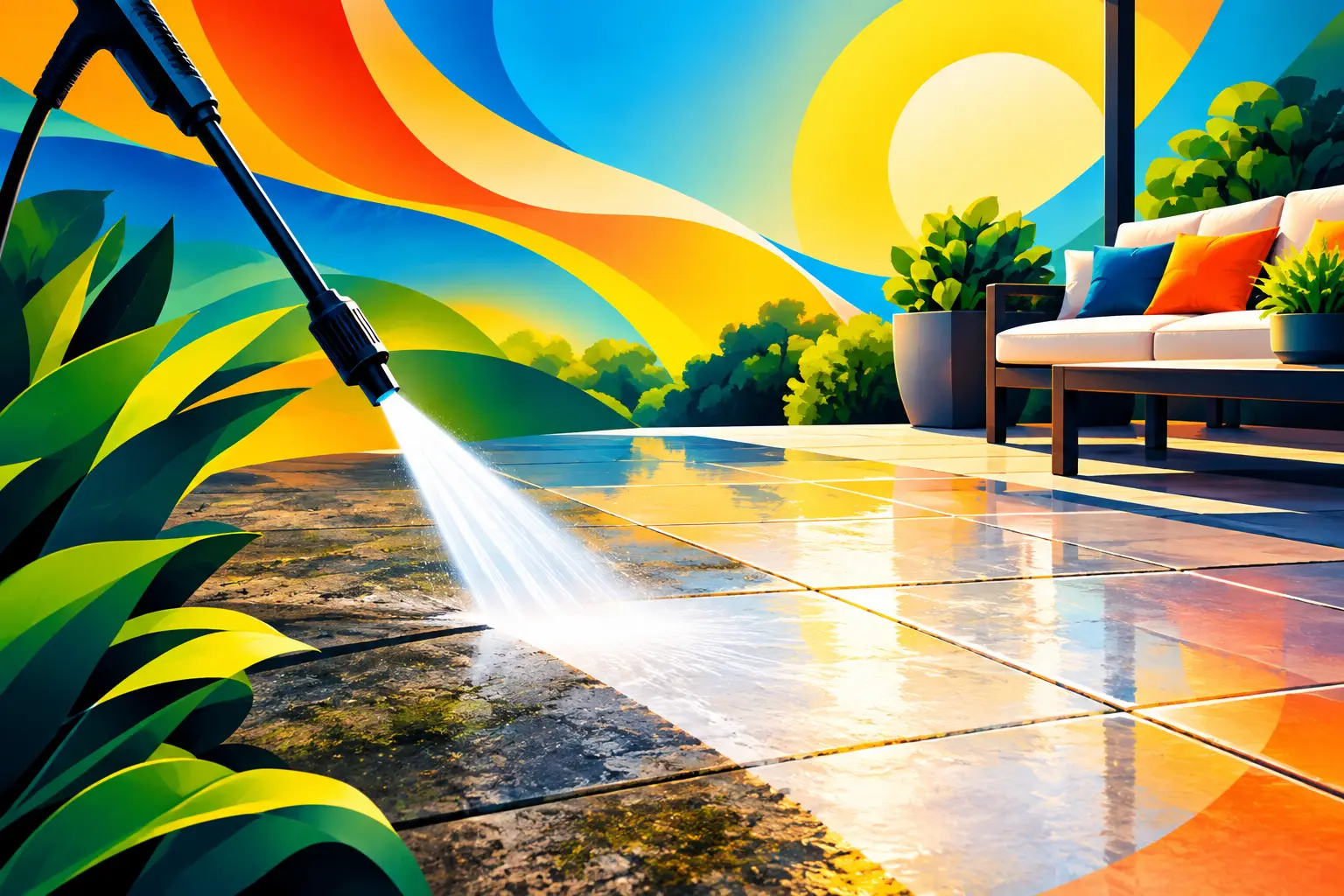
A patio can look tired long before the rest of a property does. Dark mildew in shaded corners, greasy grill spots, leaf stains, and embedded dirt can make an otherwise well-kept outdoor space feel neglected. The best patio cleaning methods do more than make the surface look brighter for a weekend. They remove buildup safely, protect the material underneath, and help the patio stay cleaner through Northeast Ohio's changing seasons.
The right approach depends on what the patio is made of and what is causing the discoloration. Concrete can typically handle more force than natural stone. Pavers need attention to their joint sand. A surface covered in organic growth calls for a different treatment than one marked by rust, grease, or old paint. Cleaning without considering those differences can leave etching, loose sand, damaged edges, or stains that quickly return.
The Best Patio Cleaning Methods Start With the Surface
Before bringing out a pressure washer, identify the patio material. This is the decision that protects the investment. Many cleaning problems happen when a homeowner uses high pressure where a gentler chemical treatment and lower pressure would have produced a better result.
Concrete patios
Concrete is durable, but it is still porous. Dirt, algae, mildew, fertilizer, oil, and de-icing residue can settle into its surface over time. For general buildup, a professional surface cleaning process combines the right detergent with controlled pressure and even passes from a surface cleaner. This prevents the striped appearance often left by a pressure-washing wand.
Stubborn oil spots may need a degreaser and extra dwell time before rinsing. Rust stains, however, require a product formulated specifically for rust. More pressure will not remove every stain, and aggressive pressure can roughen the concrete surface. Once concrete becomes overly etched, it holds dirt more easily and can look uneven when dry.
Paver patios
Pavers bring warmth and character to an outdoor area, but they require a more careful process. Moss, weeds, and dirt collect in the joints, while the paver faces can develop dark staining from moisture and organic growth. A proper cleaning removes surface buildup without blasting out excessive joint sand or chipping the paver edges.
After cleaning, the joints may need fresh polymeric sand or joint sand, depending on the installation and condition of the patio. Sanding is not an optional cosmetic step when joints have been depleted. It helps stabilize the pavers, reduces movement, and makes it harder for weeds to take hold. Once the patio is clean and dry, sealing can enhance its appearance and offer added protection against stains and weathering.
Natural stone and manufactured stone
Stone patios need the lightest touch. Bluestone, flagstone, limestone, travertine, and other natural materials can be sensitive to pressure and harsh cleaners. Some stones also react poorly to acidic products. A cleaning method that works on plain concrete may leave permanent marks on stone.
Soft washing or low-pressure rinsing, paired with a surface-appropriate cleaner, is often the safer choice. The goal is to treat organic growth and lift dirt without stripping the stone's natural finish. If the patio has mortar joints, loose pieces, or visible flaking, those issues should be addressed before any cleaning begins.
Treat the Stain Before You Wash
One of the most effective patio-cleaning habits is separating the stain from the general dirt. A single rinse method is rarely the best answer for every problem. Organic growth, grease, rust, and mineral deposits each respond to different treatments.
Mildew, algae, and moss thrive in shaded or damp areas. They can make a patio slick, especially after rain, and create a dark, neglected appearance. A professional cleaning solution designed for organic growth can break down the source of the staining before a careful rinse. This produces a more consistent result than relying on water pressure alone.
For cooking grease, start with a degreaser. Letting the product dwell as directed gives it time to loosen the stain from the pores of the surface. Scrubbing may be necessary for a concentrated spot beneath a grill or outdoor kitchen. Do not push greasy runoff into landscaping or storm drains.
Rust and orange-brown fertilizer stains need a specialty treatment. These stains often look worse after someone tries to remove them with a harsh household cleaner. Paint, caulk, and adhesive can be equally unpredictable. It is wise to test any treatment in a less visible spot first, particularly on pavers or stone.
Why Pressure Matters, but Control Matters More
Pressure washing is an excellent patio-cleaning tool when it is used with knowledge and restraint. The common mistake is assuming higher PSI equals a cleaner surface. In reality, pressure is only one part of the process. Water flow, nozzle selection, cleaning solution, distance from the surface, and technician technique all affect the final result.
A flatwork surface cleaner is often the best choice for larger concrete patios because it creates an even cleaning path and controls splash. Detail work along edges, steps, and corners can then be completed with a wand at a suitable setting. On fragile surfaces, low pressure and soft-wash methods may be more effective than forceful washing.
Avoid holding a narrow spray tip in one place. That can carve lines into concrete, scar pavers, and damage wood or composite features near the patio. Also protect nearby siding, doors, furniture, electrical outlets, plants, and outdoor decor. A clean patio should not come at the expense of landscaping or surrounding finishes.
Make Drainage and Safety Part of the Job
Cleaning a patio creates runoff, and responsible cleaning means knowing where that water goes. Sweep away loose leaves, mulch, and debris before washing so they do not clog drains or spread across the yard. Keep cleaning products off plants whenever possible, and rinse surrounding greenery when appropriate.
For homeowners, footwear matters too. Wet patios become slippery during the cleaning process, especially when algae is present. Keep children and pets away from the work area until the surface is fully rinsed and dry. If a patio repeatedly develops moss or mildew, look beyond cleaning. Overhanging branches, poor drainage, and limited sun exposure may be contributing to the problem.
When Sealing Is Worth It
Sealing is not required for every patio, but it can be a smart next step after a thorough cleaning. On concrete and pavers, a quality sealer can help limit water absorption, make future stains easier to remove, and preserve a more finished appearance. Paver sealers may also help stabilize joint sand when paired with the proper sanding process.
The trade-off is that preparation matters. Sealing over dirt, moisture, or existing failed sealer can trap problems beneath the finish. The patio must be clean, dry, and evaluated for compatibility before a new product is applied. Some homeowners prefer the natural look of unsealed stone, while others want color enhancement or a wet-look finish. The right choice should fit both the material and the level of maintenance the property owner wants.
Choose DIY or Professional Cleaning Based on the Risk
A basic patio rinse, sweeping, and light spot treatment can be manageable for many homeowners. But large patios, deep staining, delicate stone, paver joint restoration, or recurring organic growth are good reasons to call a professional. The value is not just in having commercial equipment. It is in choosing the proper treatment, controlling pressure, protecting the property, and avoiding costly damage.
For homeowners and property managers, dependable service also means clear communication and respect for the space being cleaned. At MC Pressure Washing, that means approaching each surface with care, using safer methods where needed, and standing behind work that improves the property without cutting corners.
A clean patio changes how an outdoor space feels. Keep up with sweeping, address spills before they set, and schedule a deeper cleaning when buildup begins to take hold. A little attention at the right time can keep the space safer, more welcoming, and ready for the next family gathering or customer visit.