Can Washing Remove Graffiti? Safe Removal Facts
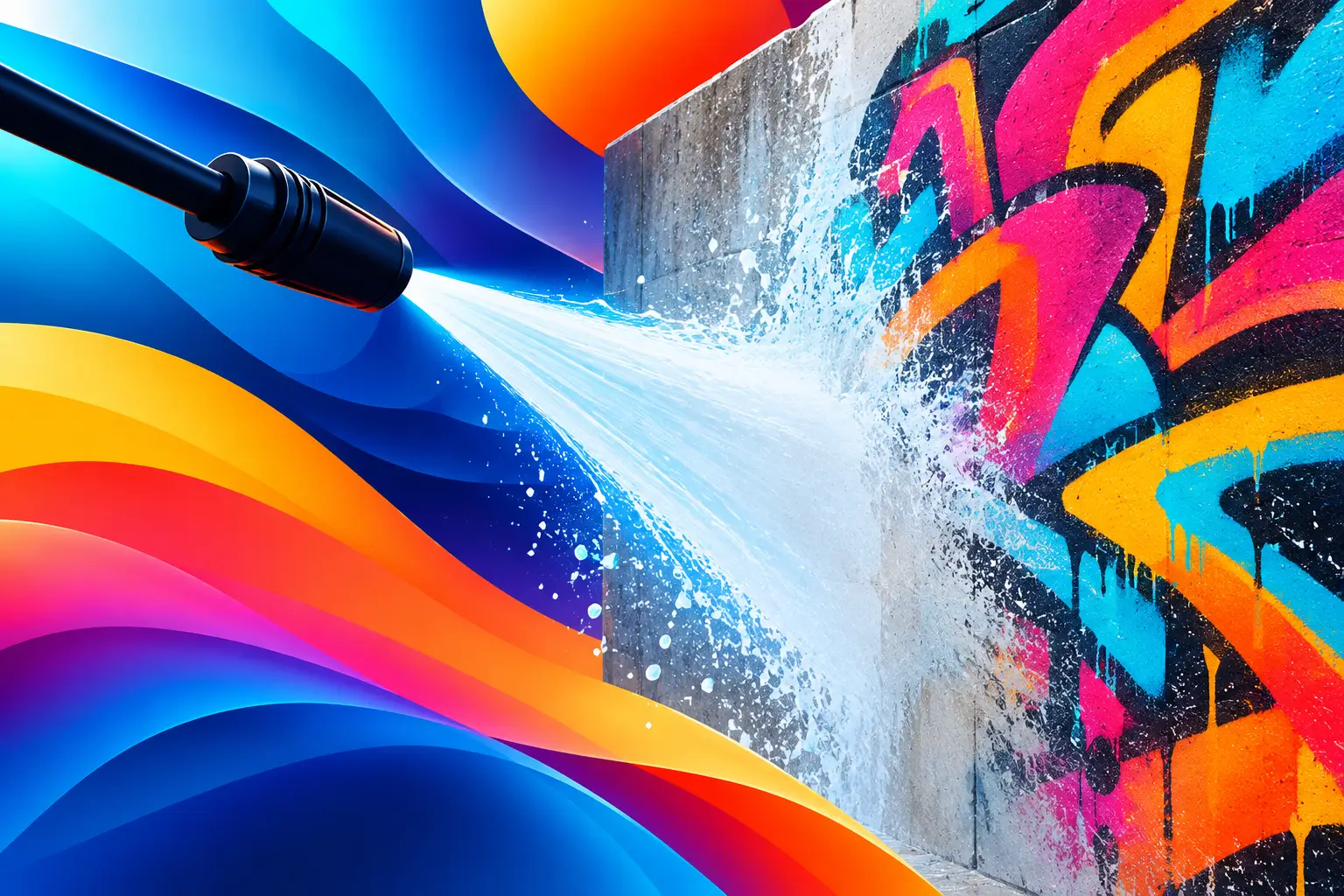
A fresh graffiti tag can change how a home, storefront, retaining wall, or parking area feels overnight. The first question many property owners ask is, can washing remove graffiti? Sometimes, yes. But successful removal depends far more on the surface, the type of paint, and the right cleaning method than on simply using more pressure.
Graffiti should be addressed promptly when possible. Fresh paint is generally easier to remove, and quick action keeps the mark from becoming a lasting distraction from an otherwise well-kept property. Still, rushing in with a high-pressure washer or a harsh solvent can leave permanent damage behind. The goal is not just to make the graffiti less visible. It is to restore the surface without creating scars, etching, faded areas, or water intrusion.
Can Washing Remove Graffiti From Every Surface?
Washing can remove or significantly reduce graffiti on many exterior materials, especially sealed concrete, metal, vinyl, smooth masonry, and certain painted surfaces. However, it is not a one-method solution. A pressure washer that works well on a durable concrete pad may damage brick mortar, strip paint from siding, or force water behind exterior panels.
The result also depends on how long the graffiti has been there. Spray paint, marker, and paint pens can soak into porous materials over time. Sun exposure and weather can further bake pigment into the surface. On an unsealed block wall or rough brick, complete removal may require more than washing alone.
A careful cleaning professional starts by identifying both the graffiti material and the surface underneath it. That assessment helps determine whether a low-pressure rinse, an appropriate graffiti remover, hot-water cleaning, controlled pressure washing, or a combination of methods is the best choice.
Why More Pressure Is Not Always Better
Pressure washing is a useful tool, but excessive pressure is one of the fastest ways to turn a graffiti problem into a surface restoration problem. Concrete can be etched, wood can splinter, vinyl can crack or warp, and older mortar can loosen. On painted walls, high pressure may remove the paint surrounding the graffiti just as quickly as the graffiti itself.
This matters on Northeast Ohio properties, where freeze-thaw cycles already put stress on concrete, masonry, and exterior finishes. If cleaning opens up a porous surface or weakens mortar joints, moisture can settle in and make future deterioration more likely.
Professional graffiti removal is controlled work. Water pressure, nozzle angle, distance from the surface, water temperature, and cleaning products all need to match the job. A technician should use the least aggressive effective method first, then adjust only when necessary. That approach protects the property while still producing visible improvement.
How Graffiti Removal Changes by Surface
Concrete sidewalks, driveways, and walls
Concrete is durable, but it is not invincible. Smooth, sealed concrete usually responds well to a graffiti remover followed by rinsing or carefully controlled pressure washing. Unsealed concrete is more difficult because paint can settle into tiny pores below the surface.
A common mistake is using too much pressure in one spot. This can leave a noticeably lighter, rougher patch that looks like a permanent shadow of the original graffiti. On older sidewalks and driveways, the cleaned area may also stand out from the surrounding weathered concrete. In those cases, cleaning a broader section can create a more even appearance.
Brick, block, and stone
Masonry requires patience. Brick and block are often porous, and older mortar can be fragile. Strong pressure may erode mortar joints or drive paint deeper into the material. The safest process may involve a masonry-safe remover, adequate dwell time, gentle agitation, and a low-pressure rinse.
Complete removal is not always realistic on heavily textured or unsealed masonry. A responsible contractor should be honest about that before beginning work. Sometimes the best result is substantial reduction of the mark, followed by a compatible coating or targeted repainting if the surface allows it.
Vinyl siding and painted exteriors
Vinyl siding and painted surfaces call for lower pressure and cleaner selection that will not discolor or soften the finish. Soft washing may be appropriate for rinsing away loosened material, but it should not be confused with a guaranteed paint-removal method.
If graffiti is on painted siding, trim, or a garage door, the main concern is preserving the existing finish. Washing may lift fresh paint, but older graffiti can leave staining or ghosting behind. In some cases, careful cleaning followed by touch-up paint offers the cleanest final appearance.
Metal, signs, and dumpsters
Nonporous metal surfaces are often among the more manageable graffiti-removal jobs. A suitable product can loosen paint without requiring aggressive pressure. Still, painted metal, powder-coated surfaces, and signs need testing in an inconspicuous area first. A remover that takes off graffiti may also dull the finish or remove lettering if it is not used correctly.
The Factors That Determine Whether Washing Will Work
Before anyone begins, four practical questions should guide the plan:
- What is the surface made of, and is it sealed, painted, aged, or already damaged?
- What type of graffiti is present, such as spray paint, permanent marker, paint pen, or etching?
- How long has the graffiti been exposed to sun, rain, and changing temperatures?
- Is there a risk of runoff reaching landscaping, storm drains, neighboring property, or public areas?
These details are why a quick inspection is more valuable than a one-size-fits-all answer. The right method is not always the fastest-looking method at the start, but it is usually the one that prevents costly repairs later.
When DIY Washing Makes Sense
A homeowner may be able to remove a small, fresh mark from a durable, nonporous surface if they have the correct product, follow its instructions, and test a hidden spot first. Gentle application and patient rinsing are safer than immediately reaching for the highest pressure setting.
Avoid mixing chemicals, especially bleach, ammonia, acids, or unknown cleaners. Those combinations can create dangerous fumes or damage the material being cleaned. It is also wise to keep wash water and chemical residue out of storm drains whenever possible. Responsible exterior cleaning protects more than the surface in front of you.
DIY work becomes less advisable when graffiti covers a large area, appears on brick or historic masonry, sits near landscaping or drainage paths, or affects a business entrance where appearance matters immediately. Commercial properties also need to consider customer traffic, slip hazards, and the possibility of cleaning products affecting signage or painted branding.
When to Call a Professional
Professional help is often the better choice when the surface is porous, delicate, high-visibility, or expensive to replace. It is also a practical choice when you want the work completed promptly without guessing at products or risking damage from rental equipment.
A dependable exterior cleaning team should explain what it sees, set realistic expectations, and protect nearby surfaces before work begins. That means using appropriate products, managing runoff, selecting safe pressure levels, and treating your property with care. At MC Pressure Washing, that service-first approach matters because a clean property should never come at the expense of its condition.
For business owners and property managers, prompt removal also sends a clear message: the property is cared for, customers are valued, and small problems will not be ignored. For homeowners, it helps restore the pride that comes from pulling into a clean, well-maintained home.
Preventing the Next Mark
After graffiti is removed, sealing suitable concrete, pavers, or masonry can make future cleanup easier by reducing how deeply paint can penetrate. Good lighting, maintained landscaping, and clear visibility around walls or fences can also discourage repeat vandalism. These steps are not guarantees, but they make a property easier to watch over and easier to restore.
If graffiti shows up on your property, act with care rather than frustration. A measured cleaning plan can often bring back the clean appearance you worked hard to maintain while protecting the surface for the years ahead.