How Clean Dumpster Pads Protect Your Property
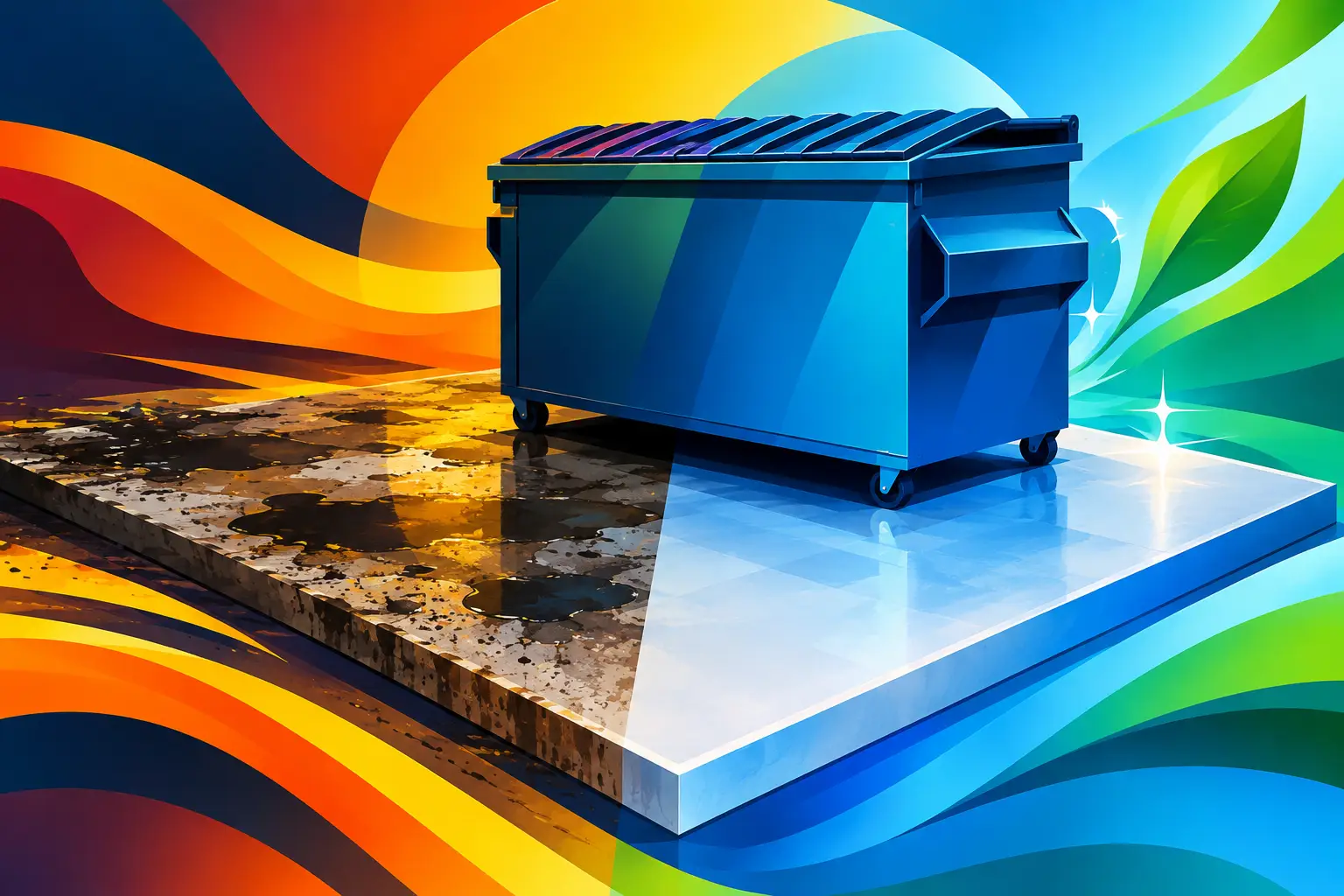
A dumpster area can quietly shape how customers, tenants, employees, and neighbors view an entire property. Clean dumpster pads are not simply about making the back of a building look better. They help control grease, food residue, odors, slippery buildup, and the stains that can make an otherwise well-maintained property feel neglected.
For property managers and business owners, this is one of those maintenance details that is easy to postpone until it becomes hard to ignore. A regular cleaning plan is usually more affordable, safer, and more respectful of your property than waiting for buildup to become a serious problem.
Why Dumpster Pads Get Dirty So Quickly
Dumpster pads deal with a difficult combination of materials. Trash bags leak. Restaurant grease finds its way out of containers. Rain carries residue across the concrete, while heat can intensify odors and bake stains into the surface. In Northeast Ohio, winter adds another layer of difficulty as snow, ice, salt, and freeze-thaw cycles push grime into cracks and low spots.
Concrete is durable, but it is also porous. Once oils, liquids, and organic waste settle into the surface, a quick rinse rarely solves the problem. The discoloration may remain, and the pad can continue holding odor-causing residue even after it appears somewhat cleaner.
The problem is not limited to restaurants. Retail centers, apartment communities, medical offices, warehouses, schools, and office buildings can all develop dirty dumpster pads. Any property with regular trash collection can experience spills, dragging marks, runoff, and buildup around the enclosure.
Clean Dumpster Pads Support Safety and Curb Appeal
The dumpster enclosure may be out of sight from the front entrance, but it is rarely out of sight for everyone. Employees take out trash. Delivery drivers pass through the service area. Tenants and maintenance crews use the space regularly. Prospective customers may notice it while parking, walking around the building, or entering from a side entrance.
A stained, greasy pad can communicate that routine maintenance is being overlooked. On the other hand, a clean service area reinforces the same standard of care shown in clean sidewalks, fresh storefronts, and maintained landscaping. Details matter because people often use them to judge the larger operation.
Safety matters just as much. Grease, residue, and standing water can create slippery conditions underfoot. This is especially concerning during Ohio’s wet, icy months, when a contaminated surface can become even more hazardous. Cleaning helps reduce the slick film that builds up on concrete and makes it easier to spot drainage concerns, damaged pavement, or leaks that need attention.
What Professional Dumpster Pad Cleaning Involves
Effective dumpster pad cleaning is more than spraying water at the concrete. The right process depends on the type of soil, the condition of the pad, nearby drains, and how the property is used. A professional crew starts by assessing the surface and identifying areas with grease, organic waste, gum, mold, or heavy staining.
Appropriate cleaning agents are applied to break down the buildup before washing. Hot water can be especially helpful for greasy surfaces, while pressure washing removes loosened grime from the concrete. The work should be controlled carefully, with attention given to surrounding walls, doors, landscaping, and drainage areas.
Wastewater handling is also an important part of responsible commercial cleaning. The goal is not to push contaminated water into a storm drain or across the property. A dependable contractor considers site conditions, follows applicable requirements, and uses responsible methods to manage runoff. This is one reason dumpster pad cleaning is worth treating as a professional service rather than a rushed maintenance task.
When Does a Dumpster Pad Need Attention?
Some stains are obvious, but other warning signs develop gradually. A property may benefit from cleaning when employees begin avoiding the area because of odor, when the concrete feels slick, or when recurring spills are leaving dark rings around the dumpster.
Watch for these common signs:
- Dark grease stains that remain after rain or a basic rinse
- Persistent odors around the enclosure, especially in warm weather
- Slippery patches, food residue, or visible trash liquid on the concrete
- Mold, algae, or dirty runoff spreading beyond the pad
- Customer, tenant, employee, or inspector complaints about the area
The best schedule depends on the property. A busy restaurant or multi-tenant commercial center may need frequent service, while a lower-traffic office building may only need periodic cleaning. There is no one-size-fits-all interval. What matters is building a schedule around actual use, weather exposure, and the condition you want to maintain.
Why Routine Service Beats Emergency Cleaning
Emergency cleanups have their place. A damaged dumpster, a major spill, or an unexpected odor issue may require prompt attention. But relying only on emergency service allows contamination to sit on the concrete longer, making stains harder to remove and conditions less pleasant for everyone using the area.
Routine cleaning provides a better baseline. It keeps buildup from becoming deeply embedded, helps maintenance teams spot problems earlier, and makes the property easier to manage throughout the year. It can also make budget planning simpler because the work becomes a predictable part of property upkeep instead of an unpleasant surprise.
There is a practical trade-off to consider. More frequent service costs more in the short term, but it can reduce the need for intensive restoration later. For high-volume properties, regular cleaning is often the wiser investment. For lower-volume locations, seasonal or as-needed service may be enough. A trustworthy provider should recommend what fits the site, not push a schedule the property does not need.
A Cleaner Pad Starts With Better Daily Habits
Professional service does the heavy lifting, but day-to-day habits make a difference between visits. Keep dumpster lids closed when possible, make sure containers are not overflowing, and ask the waste provider to address damaged or leaking dumpsters. If bags frequently tear or liquids leak during disposal, review how waste is being bagged and stored.
Property teams should also report spills quickly. Fresh spills are easier to address than residue that has been driven over, exposed to rain, and baked into concrete. If the enclosure has poor drainage, standing water, or a damaged pad, cleaning may reveal a maintenance issue that requires a separate repair.
This shared approach protects the investment in cleaning. The goal is not perfection in a working service area. The goal is a clean, safe, manageable space that reflects well on the people responsible for the property.
Choosing a Dumpster Pad Cleaning Partner
Commercial exterior cleaning requires more than equipment. It requires care, communication, and ownership. Look for a company that can explain its process clearly, respect your operating hours, and treat the service area with the same attention it would give a visible entrance or sidewalk.
Ask how the crew handles grease, nearby drains, and runoff. Confirm that they understand the difference between cleaning concrete effectively and simply moving dirty water somewhere else. It also helps to work with a provider that can coordinate recurring service, respond when conditions change, and give straightforward recommendations without pressure.
At MC Pressure Washing, we believe dependable service means showing up prepared, treating every property with respect, and doing the job with integrity. Whether your dumpster area needs a one-time reset or a practical recurring schedule, a cleaner pad can support a safer workplace and a better impression of your business.
A clean property is built through consistent care in the places everyone sees and the places few people think about until there is a problem. Keeping the dumpster pad clean is a simple, responsible way to protect both your concrete and your reputation.