Is Soft Washing Safe for Your Home’s Exterior?
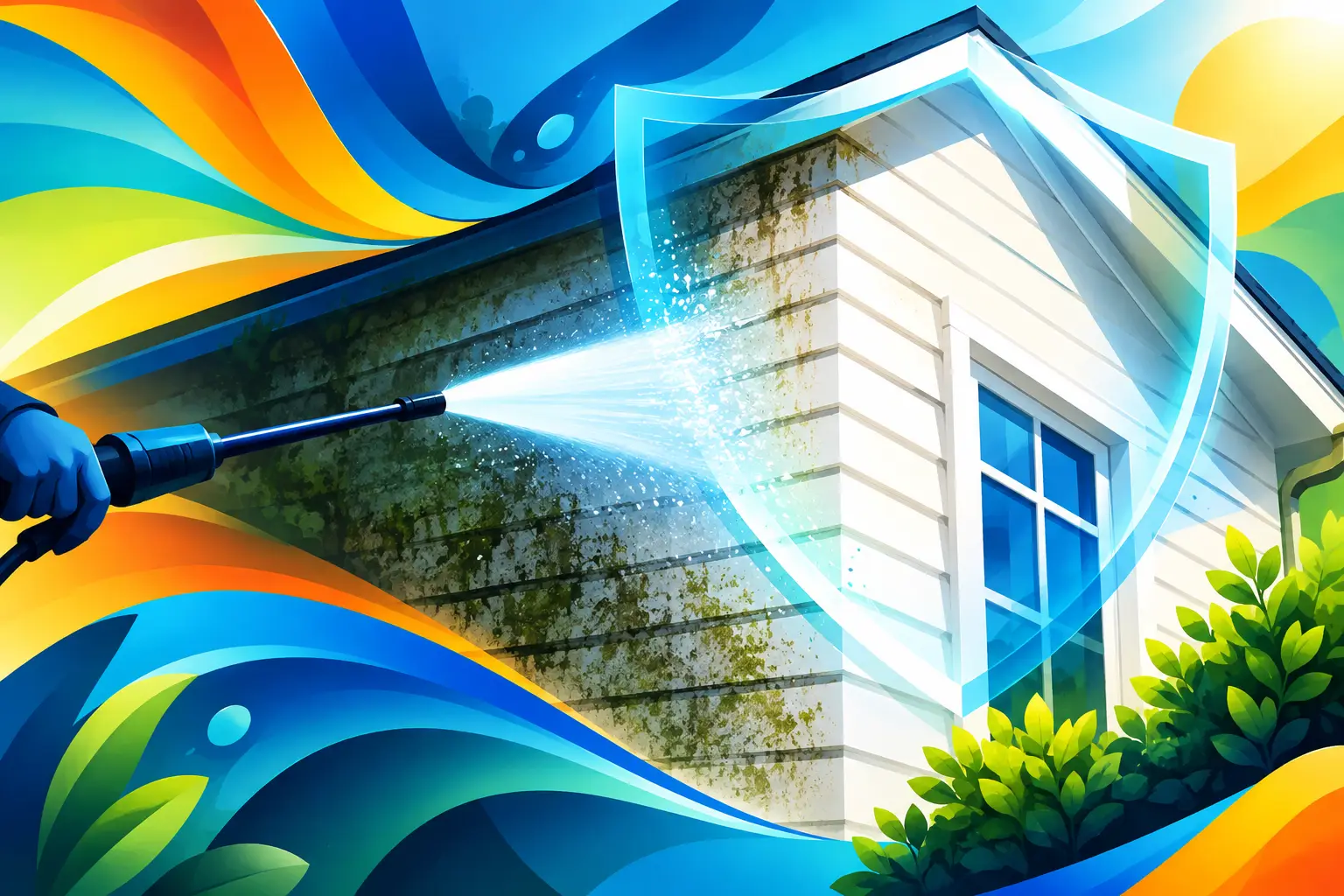
A black-streaked roof, green siding, or slippery patio can make a well-kept property look neglected fast. But homeowners are right to ask, is soft washing safe before allowing any cleaning solution near their siding, landscaping, windows, or roof. The answer is yes, when the method is matched to the surface and handled by someone who understands proper dilution, application, rinsing, and plant protection.
Soft washing is not simply pressure washing at a lower setting. It is a cleaning method designed for surfaces that can be damaged by force. Instead of blasting away organic growth, soft washing uses low-pressure water and a controlled cleaning solution to treat the source of algae, mildew, mold, and similar buildup. The goal is a clean exterior without stripping paint, forcing water behind siding, loosening shingles, or harming the surrounding property.
Is Soft Washing Safe? It Depends on the Process
The word “soft” does not automatically make a cleaning job safe. Safety comes from the technician’s process. The wrong chemical strength, poor rinsing practices, or a rushed application can create problems even with low pressure. On the other hand, a trained professional can safely clean delicate exterior materials that should never be exposed to aggressive pressure washing.
A proper soft-wash service starts with identifying the surface and the cause of the staining. Green buildup on vinyl siding is often algae. Black spotting on a roof may be algae or mold. A dark, damp area on concrete can be mildew or accumulated organic matter. Each condition needs the right approach, not a one-size-fits-all setting.
The cleaning solution is then mixed at a surface-appropriate concentration. It is applied with low pressure, given time to work, and thoroughly rinsed where rinsing is appropriate. Nearby plants, exterior fixtures, painted surfaces, and drainage areas should be considered before the first spray is applied.
Why High Pressure Is Not Always the Safer Choice
Many people assume stronger pressure means a better clean. On hard concrete, that may be partly true when the equipment and technique are correct. But on siding, shingles, painted trim, wood, stucco, and some pavers, high pressure can leave damage that is not immediately obvious.
Too much force can drive water behind vinyl siding, where it may contribute to moisture issues. It can chip paint, scar wood fibers, damage window seals, and remove protective granules from asphalt shingles. A roof may look cleaner after a high-pressure wash, but the loss of granules can shorten its service life.
Soft washing avoids those risks by allowing the cleaning solution to do the heavy lifting. Low pressure carries the solution onto the surface and helps rinse away residue, but it does not rely on force to tear off stains. That makes it a safer choice for many residential exterior cleaning jobs, especially house washing and roof cleaning.
What Makes a Soft-Wash Service Safe
A responsible contractor protects more than the surface being cleaned. The work area matters just as much. Before soft washing begins, a careful team should assess landscaping, outdoor furniture, electrical fixtures, painted areas, gutters, drainage paths, and nearby vehicles.
Plant protection is one of the biggest concerns for homeowners, and it should be. Cleaning solutions used to remove organic growth can affect vegetation if they are misused or allowed to sit. Proper practice includes pre-wetting plants, controlling overspray, monitoring runoff, and rinsing landscaping again after the job. Covering sensitive plants may help in certain situations, but it is not a substitute for controlled application and thorough rinsing.
Weather also matters. Wind can carry mist farther than expected, while extreme heat can cause solutions to dry too quickly. A professional should adjust the work plan or reschedule when conditions make safe application difficult. Good service is not just about finishing the job on a particular day. It is about doing the job right.
Surfaces That Benefit Most From Soft Washing
Soft washing is especially useful on materials where organic growth is the main problem and high pressure would be too harsh. Vinyl siding, painted exterior surfaces, soffits, fascia, gutters, and many roofs are common examples.
For a home exterior, soft washing can remove the green film that forms on shaded sides of the house, along with spider webs, pollen, mildew, and general grime. Because it treats the biological growth rather than just knocking it loose, the results often last longer than a water-only rinse.
Roof soft washing requires particular care. Asphalt shingles should not be pressure washed. Roof manufacturers commonly caution against high-pressure cleaning because it can dislodge protective granules and compromise the roof’s appearance and performance. A low-pressure treatment, applied correctly and in accordance with the roofing material’s requirements, is the safer route for removing algae streaks.
Not every exterior surface needs soft washing. Driveways, sidewalks, patios, and commercial concrete often need a combination of cleaning solution and controlled pressure to lift embedded dirt, tire marks, and surface stains. The safest method is determined by the material, its condition, and the type of buildup present.
The Trade-Offs Homeowners Should Understand
Soft washing is effective, but it is not a magic shortcut. Some staining is permanent because it has penetrated or altered the surface. Rust, oxidation, faded paint, deep oil stains, and etching may need specialty restoration methods or may not fully disappear. An honest contractor should explain what can reasonably be improved before work begins.
There can also be a short waiting period with certain soft-wash treatments. On a roof, for example, some dead organic growth may continue to weather away naturally after treatment rather than rinsing off immediately. That is often preferable to forcing it off with damaging pressure.
Homeowners should also be cautious about do-it-yourself chemical cleaning. Store-bought products may seem simple, but incorrect mixing can discolor surfaces, harm plants, irritate skin and eyes, or leave uneven results. Ladders, wet walkways, and roof work add another layer of risk. A lower-cost attempt can become expensive if it damages siding, landscaping, or shingles.
How to Choose a Safe Exterior Cleaning Company
The questions you ask before scheduling service can tell you a great deal about the company you are hiring. A dependable exterior cleaner should be able to explain why a particular method is recommended for your home, not just promise that everything will look new.
Ask how they protect landscaping and manage runoff. Ask whether they use pressure on roofs or delicate siding. Ask what results are realistic for the stains you have. You should also expect clear communication about preparation, access to water, pets, outdoor furniture, and any areas that need special attention.
Look for a company that treats your property with ownership. That means showing up as promised, using the right equipment, taking time to protect vulnerable areas, and leaving the work area clean. At MC Pressure Washing, that standard is rooted in family, integrity, and the belief that serving a neighbor’s property well is more than a transaction.
A Safer Way to Protect Curb Appeal
In Northeast Ohio, moisture, shade, pollen, and changing seasons give algae and mildew plenty of opportunities to return. Routine exterior cleaning helps protect curb appeal before buildup becomes heavy, slippery, or difficult to remove. It can also help homeowners spot concerns such as failing caulk, damaged siding, loose gutters, or aging roof areas that dirt may have hidden.
Soft washing is safest when it is treated as a careful maintenance service, not a quick spray-and-go job. The right method preserves the materials you have worked hard to maintain while restoring the clean, cared-for appearance your home deserves.
Before your next exterior cleaning, take a walk around the property and note where you see green growth, black streaks, slippery surfaces, or dull areas. A clear conversation and a proper assessment are the best first steps toward a cleaner home without unnecessary risk.