When Should Pavers Be Resealed? Signs to Watch
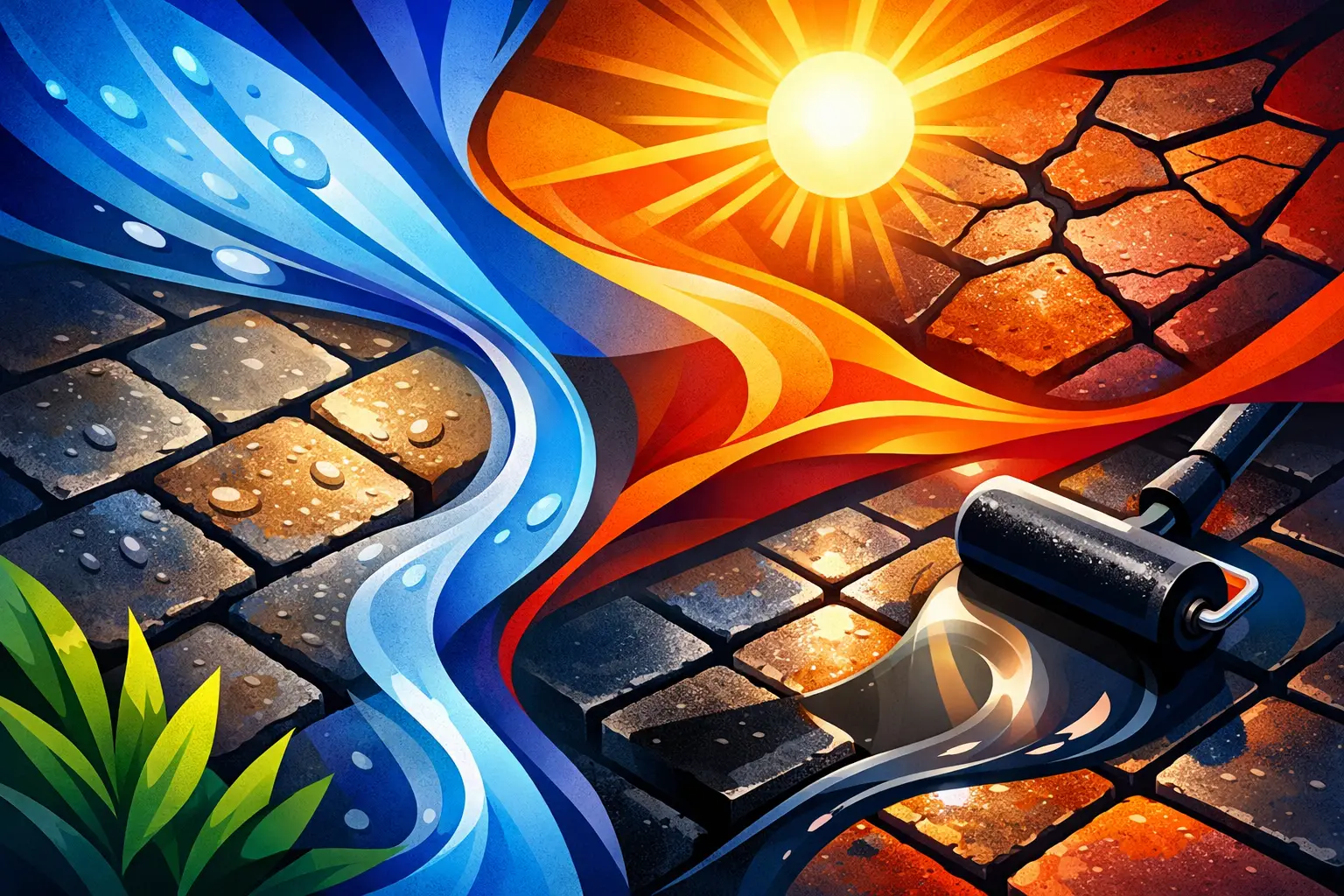
A patio can look clean and still be overdue for protection. Homeowners often ask, “when should pavers be resealed?” because there is no single calendar date that fits every driveway, walkway, or outdoor living space. The better answer comes from the condition of the pavers, the type of sealer previously used, and the weather they have handled since the last service.
In Northeast Ohio, pavers face a demanding cycle of rain, snow, ice, road salt, spring thaw, summer heat, and falling leaves. A quality seal helps preserve color, reduce staining, and support the joint sand that keeps pavers stable. Resealing at the right time protects the investment without applying product before the surface is ready.
When Should Pavers Be Resealed?
Most properly sealed pavers need attention every two to three years. High-traffic driveways, pool decks, and patios exposed to full sun or frequent moisture may need resealing sooner, sometimes within one to two years. Sheltered walkways with light foot traffic may last longer.
The calendar is useful as a starting point, but it should not make the decision alone. A paver surface that still repels water, holds its joint sand, and has no significant staining may not need another coat yet. On the other hand, a surface sealed only a year ago may be ready for service if harsh conditions, heavy use, or an inadequate prior application have worn the protection away.
A professional inspection should also consider whether the original sealer was water-based or solvent-based, penetrating or film-forming, and whether it was applied to a clean, dry surface. Different products age differently. The goal is not simply to make pavers shiny. It is to provide the right level of protection for the material and how the space is used.
Signs Your Pavers Are Ready for Resealing
The clearest sign is a change in how the surface handles water. On protected pavers, rain should bead up or remain near the surface for a period of time. When water quickly darkens the paver and soaks in, the existing sealer may be wearing thin.
Fading is another common clue. Sun exposure gradually pulls color from pavers, especially on open patios and driveways. Resealing cannot always restore every bit of original color, but the right product can enhance the natural appearance of the pavers and help slow additional weathering.
Look closely at the joints as well. Joint sand does more than fill gaps. It helps interlock the pavers, limits movement, and discourages weed growth. If sand is washing out, joints are becoming noticeably low, or weeds are appearing regularly, the area may need cleaning, re-sanding, and sealing. Resealing without properly restoring the sand is not a complete solution.
Other signs include stubborn oil spots, food stains near grills, algae growth in shaded areas, and a generally dull or blotchy appearance. These issues do not always mean the pavers must be sealed immediately, but they do signal that the protective layer is no longer doing its job as well as it should.
Why Northeast Ohio Weather Changes the Schedule
Freeze-thaw cycles are hard on hardscapes. Water that enters unprotected pavers and joints can freeze, expand, and contribute to shifting or surface wear over time. A good sealer does not make a patio indestructible, but it can reduce water absorption and help limit the conditions that lead to preventable damage.
Winter de-icing products add another concern. Salt residue can leave white discoloration, accelerate surface wear, and weaken the appearance of a driveway or walkway. Prompt cleaning in spring helps, but a worn sealer gives contaminants more opportunity to settle into the paver surface.
Shade and moisture matter, too. A north-facing patio or a walkway under mature trees can remain damp longer after rain. That makes it more likely to develop algae, mildew, moss, and organic staining. These areas may need more frequent cleaning and may show signs of sealer wear before a sunny, well-drained section of the property.
Do Not Reseal Over Dirt, Moisture, or Failing Sealer
Timing is only half the job. The preparation determines whether a new sealer performs well or creates a bigger problem. Pavers should be thoroughly cleaned before resealing so dirt, algae, stains, and old residue are not locked beneath the new coat.
The surface must also dry fully. Applying sealer to damp pavers can create a cloudy or uneven finish and may keep the product from bonding correctly. Weather forecasts matter. The best sealing window is typically a dry stretch with moderate temperatures, enough time for the pavers to dry after cleaning, and no immediate rain expected during curing.
Existing sealer needs to be evaluated before adding more. If it is peeling, whitening, overly glossy, or flaking in patches, simply applying another coat may make the appearance worse. That situation may require stripping or specialized preparation first. This is one reason a quick visual check is not always enough to determine the right service.
Cleaning and Re-Sanding Come First
A proper resealing process is built around clean pavers and stable joints. First, the surface is treated and washed using methods appropriate for the paver and the surrounding landscape. Careful cleaning removes embedded dirt and organic growth without needlessly damaging the paver face or blasting out more joint material than necessary.
Once the pavers are clean and dry, fresh joint sand is installed where needed. Many projects benefit from polymeric sand, which is designed to harden when activated properly and help resist erosion, weeds, and insect activity. It is not a substitute for a solid base or proper drainage, but it is an important part of a well-maintained paver system.
Only after the joints are filled correctly and the surface is dry should sealer be applied. Depending on the product, the finished pavers may have a natural matte look, a richer color-enhanced finish, or a more noticeable sheen. The right choice depends on the homeowner’s preference and the condition of the surface. More shine is not automatically better, particularly in areas where slip resistance and a natural appearance are priorities.
A Simple Way to Check Your Pavers Between Services
You do not need to guess every season. After rain, watch how water behaves in a few representative areas, including sunny sections, shaded edges, and high-traffic paths. If water absorbs quickly throughout the surface, it is worth scheduling an evaluation.
Also inspect the joints in spring and again after fall. Pay attention to low spots, loose sand, weeds, standing water, and pavers that seem to shift underfoot. Sealing protects the surface, but it cannot correct drainage issues or base failure. Addressing those concerns early is the more responsible path and usually the less expensive one.
Regular sweeping, prompt cleanup of spills, and gentle seasonal cleaning can extend the life of a sealer. Avoid assuming that stronger chemicals or aggressive pressure will solve every stain. The wrong approach can scar pavers, remove joint sand, and shorten the time between resealing projects.
Know When to Bring in a Professional
A homeowner can spot many warning signs, but determining the correct preparation and sealer takes experience. Driveways with oil stains, patios with white haze, areas with extensive moss, and surfaces that have been sealed multiple times all deserve a careful assessment before work begins.
At MC Pressure Washing, the focus is on treating every property with care, clear communication, and ownership from the estimate through the finished surface. For homeowners and property managers, that means an honest recommendation based on what the pavers need, not a one-size-fits-all schedule.
Well-maintained pavers should welcome guests, support daily use, and add to the pride you feel when you pull into the driveway. If the surface is absorbing water, losing sand, or looking tired after another Ohio season, a timely inspection can help you protect it before small maintenance issues become larger repairs.